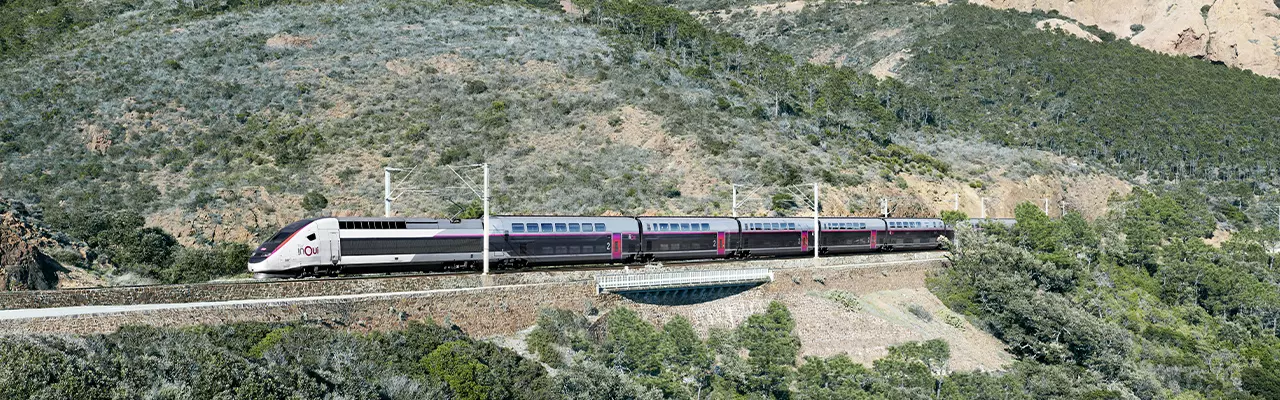
O2D programme: a new lease of life for high-speed trains

    After three years of studies, the O2D programme (Opération d'Obsolescence Déprogrammée - Operation for Deprogrammed Obsolescence) is now taking concrete form. The process has now been launched and SNCF Voyageurs is extending the life of its TGVs.
    Updated on 23 February 20264-minute read

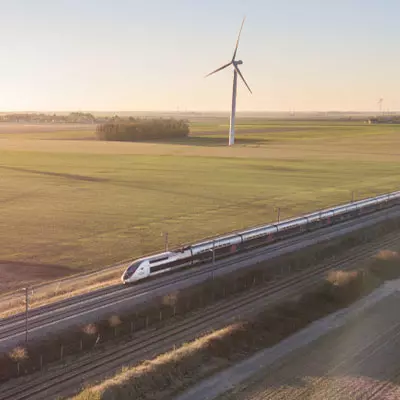
    This programme heralds a new era for the TGV fleet. Faced with the opening up to competition and the ecological transition, it extends the service life of 104 trainsets by up to 10 years, combining industrial performance, sobriety and passenger comfort.

    A sustainable, strategic and collective project
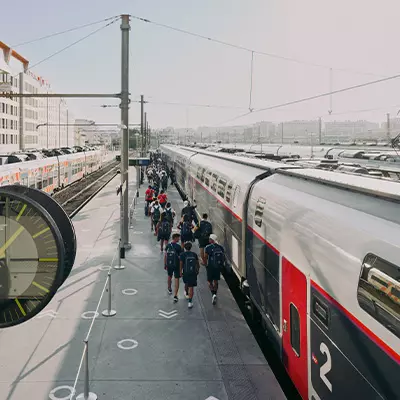
    Designed for passengers and the planet, it is at the heart of SNCF Voyageurs' environmental strategy. Based on the circular economy, it relies on the reuse of parts from retired trains, reducing new purchases, waste and the carbon footprint.

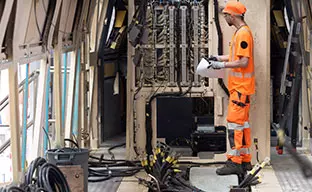
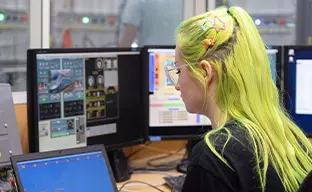
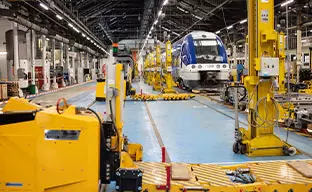
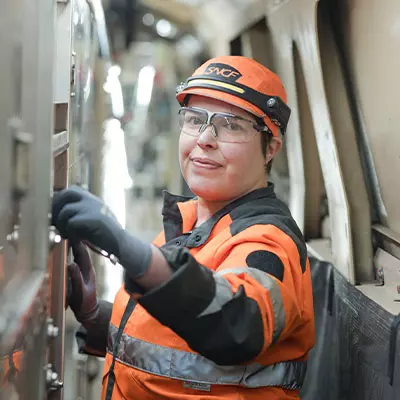
    It is a collective project, driven by a multi-site, multi-trade synergy bringing together engineering, the supply chain (supply management), purchasing (setting up contracts and managing suppliers), production, industrial Technicentres and maintenance Technicentre (preparing for production and industrialisation).

    The renovated trains consume less energy, improve accessibility and enhance the overall performance of the TGV fleet, for the benefit of passengers.

    14.5% increase in the capacity of the rail fleet (an average of 52 trains per year retained in the TGV fleet between 2027 and 2034)

    Direction du Matériel - Rennes

    With O2D, SNCF Voyageurs is including the management of its rolling stock in a fully operational circular economy logic. The written-off trainsets become real "parts banks", reducing costs, waste and the carbon footprint of the rail industry, with over 84,000 tonnes of CO₂ already avoided. Piloted at Ambronay and set to be rolled out at other sites such as Grémonville, this sustainable approach prefigures a new industrial standard for other types of rolling stock projects.

    Industrial innovation and digitalisation on the move

    With this programme to extend the life of TGVs, the rail industry is speeding up its technological transformation. The gradual integration of the TGV M version of theERTMS (European Rail Traffic Management System) by 2030 will improve the fluidity and safety of traffic across Europe, while increasing line capacity.

    104

    TGV trains to be renovated

    600 M€

    investment

    6,7 M

    tonnes of CO2 saved

    + 22 104

    additional places between 2027 and 2034

    Discover also

    Rolling stock solutions

    Read more

    Hardware Engineering

    Read more

    Our expertise

    Read more

    Header : © Alex Profit

    Paragraph : © Charly Lataste / Yann Audic

    A sustainable, strategic and collective project : © Antoine Doyen - Mirage Collectif
    Discover also : © ©SNCF Voyageurs / Yann Audic - SNCF Voyageurs / Yann Audic